Carayuru series
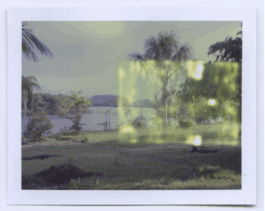
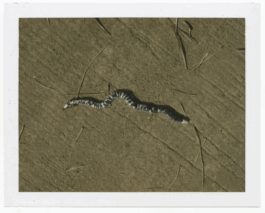
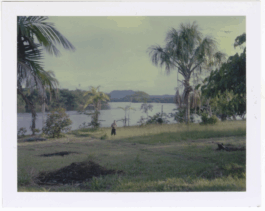
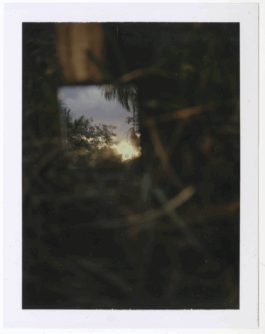
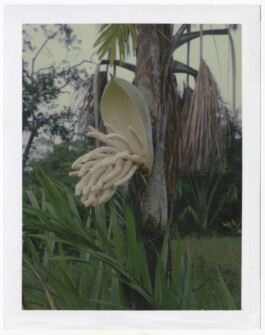
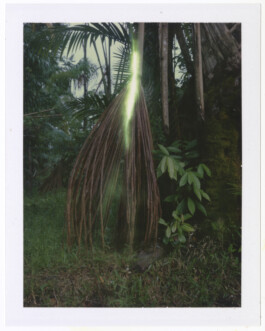
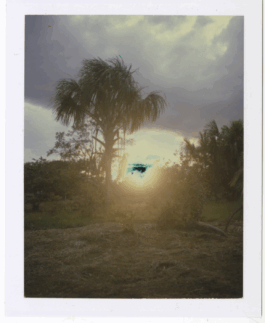
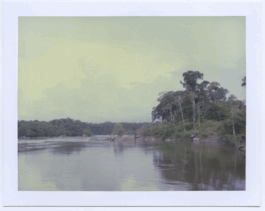
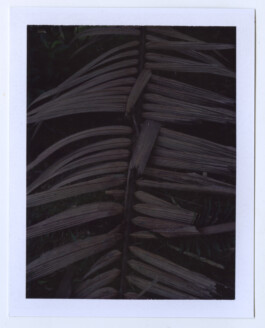
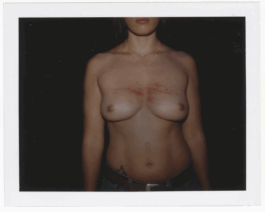
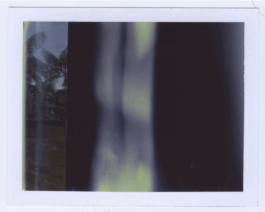
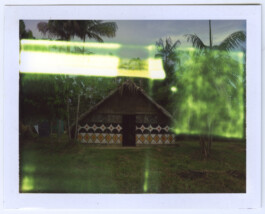
Extract from a set of FUJI FP-100C instant film · 8.5 × 10.8 cm ·
Vaupes, Colombia, December 2019
According to the mythology of the Yuruparí anaconda, when the blood of the burning animal reddened all the clouds, a drop fell on the skin of the anaconda's daughter and created the first menstrual cycle. From this cycle grew the carayuru plant — a source of life for women and protection for all.
The jungle astonishes first through the diversity of its plants, and even more through the infinite range of their vernacular uses — food, medicine, kitchen tools, hunting, housing, fishing, musical instruments, ceremonial objects, and things that reach beyond western understanding. What the jungle gives you is a life that revolves entirely around plants.
This plant knowledge might itself be considered a technology. Its uses — from construction to far more sophisticated practices — reveal the relationship between the people of these territories, the land, and time. This interplay, this millennial process of fermentation, transforms knowledge through the extraction of alkaloids and pigments from the plant. Today I use the carayuru to protect myself, but above all to communicate with the jungle — in a dimension where the care of the community is inseparable from its technopoetry.