Sweet Habibi
‘The more I make the revolution, the more I want to make love.
The more I make love, the more I want to make revolution.’
Paris, Mai 1968, Round 1,
Julio Cortazar
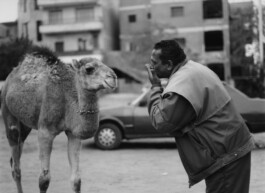

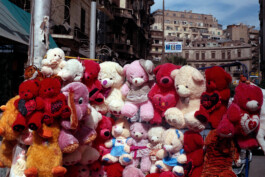
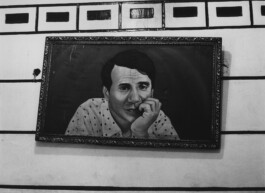
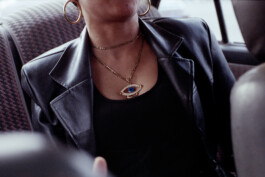


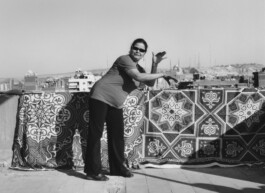
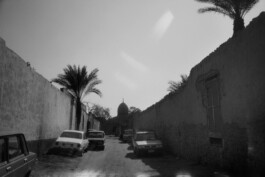
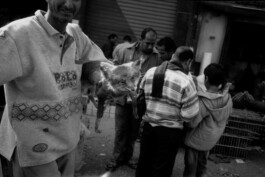
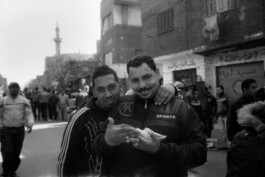
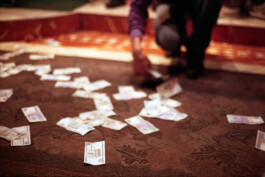
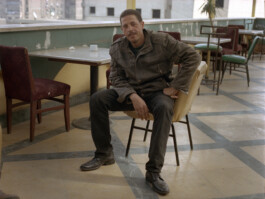
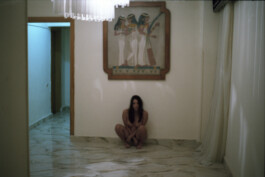
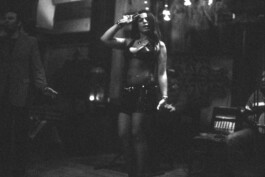
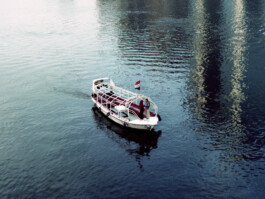
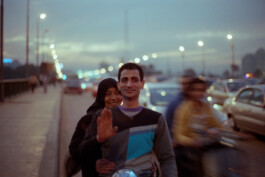
Habibi = my love, darling
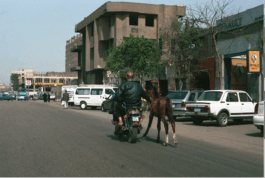
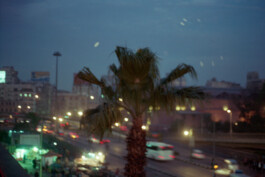
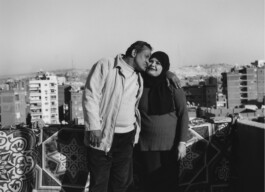
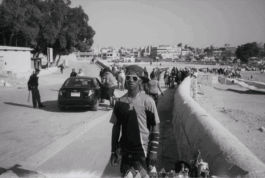
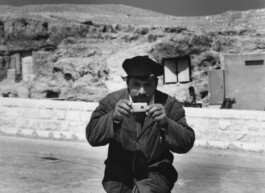
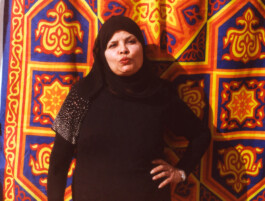
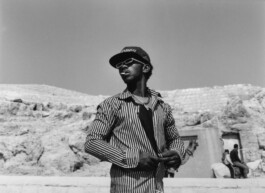
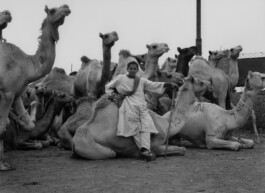
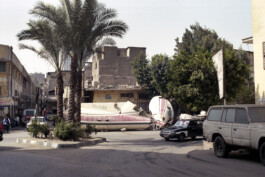
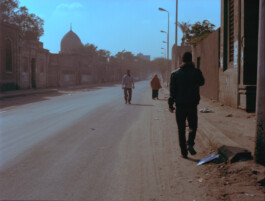
Karen Paulina is in Cairo in February/ March 2013.
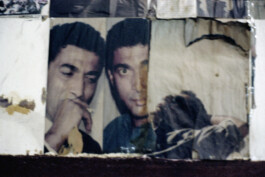
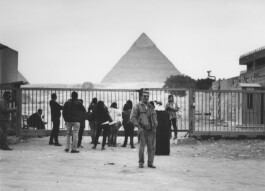
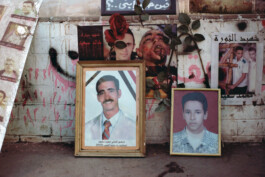
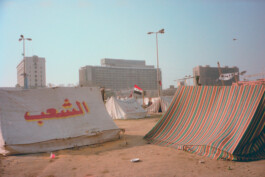
The political situation is what we have read and seen. They were celebrating the second anniversary of the revolution which overthrew Mubarak. As we know with the benefit of a short amount of hindsight, the situation has since become something dark. Karen Paulina was there in a moment where the situation was not clear. There was doubt, uncertainty.
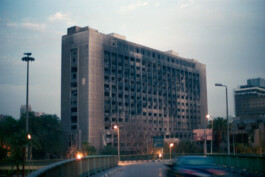
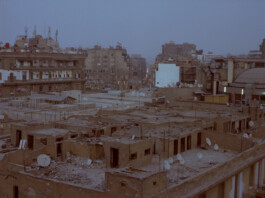
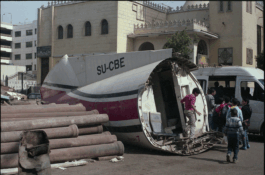
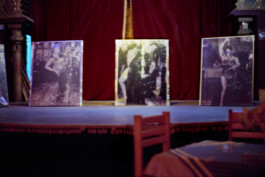
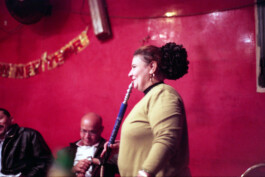
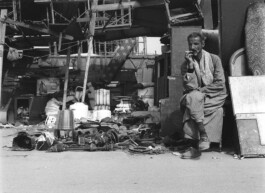
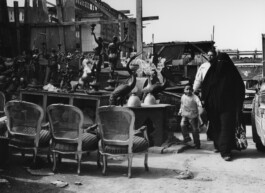
Since the 1930’s, Egypt has been a country celebrated for entertainment. In the Arab World, Egypt is among the leaders of cinema, dance and music. More than 4000 films have been produced in Egypt, three quarters of the total Arab production. Today these centres where entertainment once flourished, the theatres, cinemas and dance halls, are not like before. Many have been destroyed or abandoned. It is a kind of apocalypse of entertainment.
Something considerably less ‘lighter’ was lingering in the air of February/ March 2013.
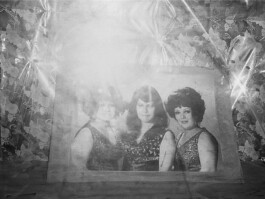
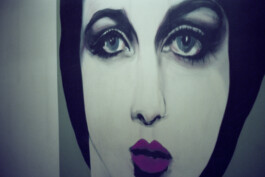
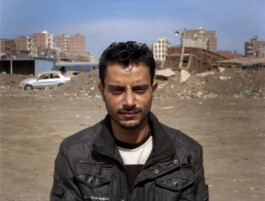
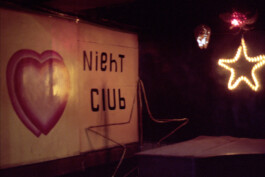
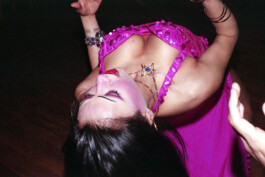
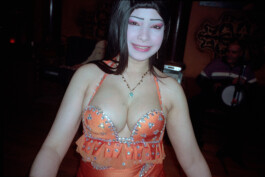
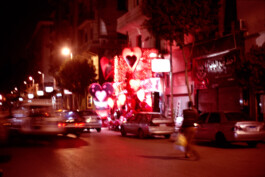
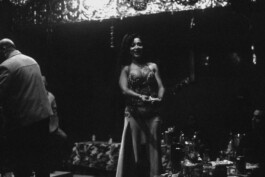
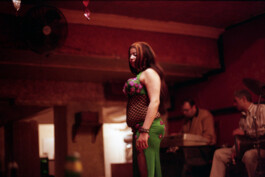
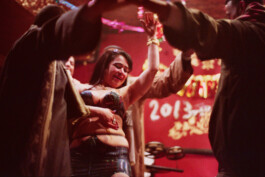
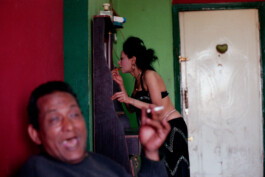
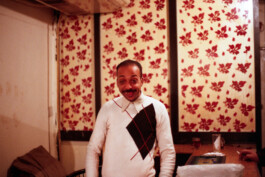
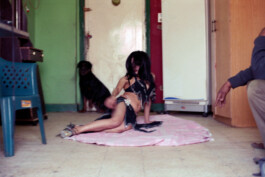
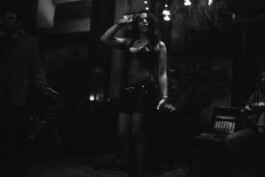
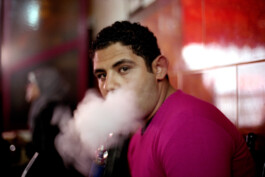
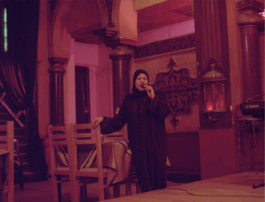
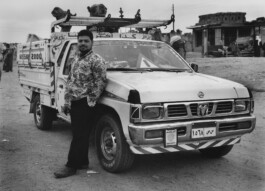
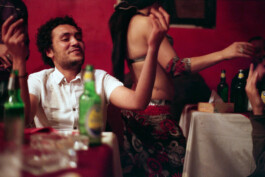
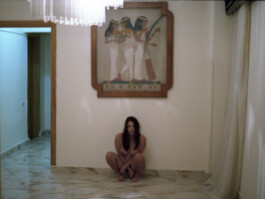
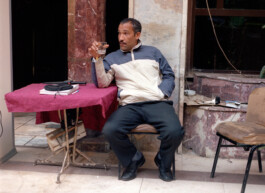
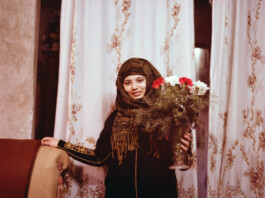
Karen Paulina befriended a taxi driver who became a complice of sorts. She was looking for something fun,and Sahid followed her lead. She found a belly dancing club that was straight out of the 1950’s. The peopleinside seemed to be taking solace from the threat of extremism. They didn’t want to be thinking about whatwas going on, or what might possibly happen. But of course this desire of simple entertainment is given a new meaning. Firstly, it is taking place in buildings that are now falling apart. Secondly, now it does not happen openly or freely, but in an almost ‘secretive’ way. Thirdly, its meaning is affected by the dark political context that now looms. These three dynamics seem to represent the meaning of the other, resulting in a kind of nostalgic sublimation of the present.What was there, what remains, and what threatens to be. Eternal questions, both personal and political. Creativity often finds fertility in turmoil or doubt, at a point preceding or following one of ‘what was’, ‘what remains’, ‘what will be’.
Seven year has now passed since Karen Paulina took these pictures in Cairo, President Abdel Fattah al-Sisi took power after the July 2013 coup that led to the removal of President Mohammad Morsi. The political situation has become one where the military initialy assumed control from the threat of the Muslim Brotherhood however end by assumed control from everyone one else. His authoritarian manner of rule has not helped the country’s already abysmal human rights record. Public criticism of the country is banned, Political opposition is practically non existent, and civil society activists can face prosecution, and possibly imprisonment.
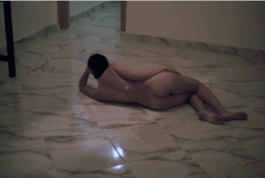
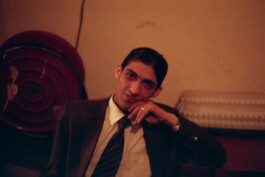
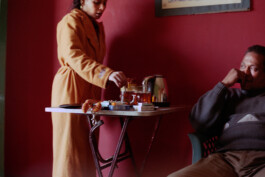
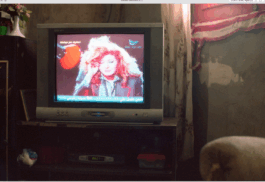
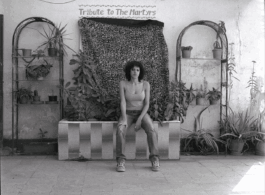
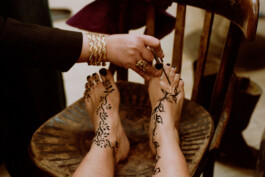
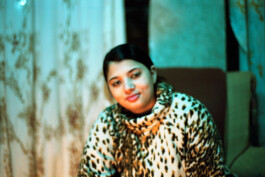
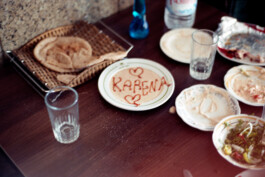
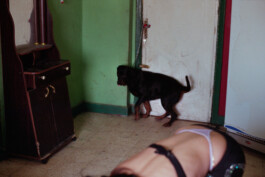
There is something in this body of work that is different to a standard photo reportage. Karen Paulina wants to extend its possibilities. But also, she is using the formulas of photo journalism to express something personal. I can say that she is using whatever the situation in Cairo is as a theatre for her own performance. All of this becomes translated into a revolutionary diary, or a diary of revolution. Personal meets politics. In this narrativew, personal meets politics. Sweet Habibi is a tale of transcendence. There is great value for Karen Paulina in simple joy, tenderness and sexuality. She finds this chaotic context allows her to express those things in herself, and also that those things are meaningful answers to political unrest. Seven year on, and maybe these pictures suggest that tenderness remains the enduring expression, and solution, to political turmoil.
John Hodgkinson